

What Makes Great Wayfinding Signs in Washington?

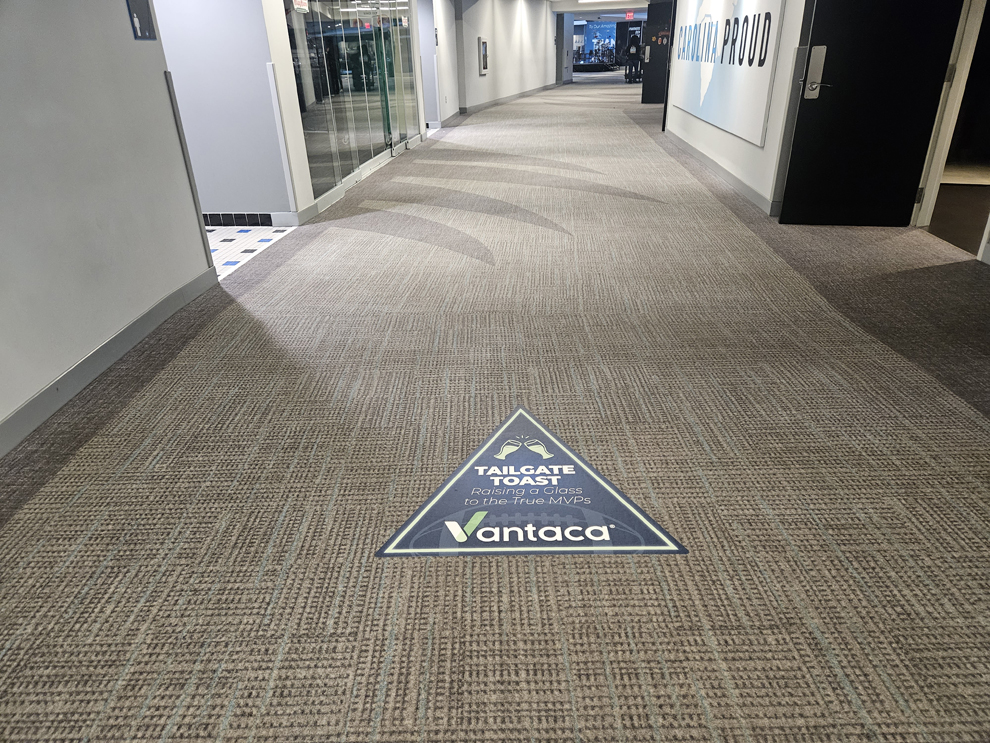
Navigating a large office building or workplace can be frustrating without the right signage. Whether guiding visitors to a reception desk, leading employees to meeting rooms, or helping clients find the appropriate floor, wayfinding signs are a vital part of any well-designed interior. In Washington, DC—a city known for its government institutions, embassies, educational hubs, and business centers—wayfinding signage plays a critical role in ensuring smooth navigation and a positive brand experience.
But what truly makes wayfinding signs effective? More importantly, how can organizations in Washington make the most of their signage strategy for both functional and branding purposes?
Let’s explore the essential components of great Wayfinding Signs Washington DC, especially within workplace interiors and professional office environments.
Purpose and Functionality of Wayfinding Signs
The primary purpose of a wayfinding sign is simple: to help people navigate a space with ease. In office environments, this means guiding employees, visitors, contractors, or clients through a building without confusion or delay.
There are four main types of wayfinding signs:
Identification signs: These mark specific areas like departments, rooms, or floors (e.g., “Conference Room B” or “Human Resources”).
Directional signs: These provide arrows or directions pointing to destinations within the building.
Informational signs: These communicate general information, such as office hours or building policies.
Regulatory signs: These enforce rules like “No Entry” or “Authorized Personnel Only.”
Great wayfinding systems use a combination of all four to create a seamless experience for users. In high-traffic professional environments, such as federal offices or corporate headquarters in Washington, the importance of intuitive signage cannot be overstated.
Clear and Consistent Messaging
One of the most defining features of successful wayfinding signs is clarity. In the bustling corridors of DC offices—where government officials, professionals, and international visitors converge—there is no room for ambiguous messages.
Effective signage uses:
Simple, readable fonts: Sans-serif fonts like Helvetica or Arial are preferred for their readability.
Concise language: Phrases like “Restrooms” instead of “Sanitation Facilities” minimize confusion.
High contrast: Light-colored text on dark backgrounds, or vice versa, enhances visibility.
Consistency across all signs ensures a cohesive and intuitive experience. When all wayfinding signs follow a unified visual language, users quickly learn what to look for and how to interpret it, minimizing their mental effort.
Strategic Placement and Visibility
Even the most well-designed sign is useless if placed in the wrong location. Sign placement is a science that considers eye-level positioning, line of sight, and movement patterns.
In busy Washington DC office buildings:
-
Directional signs should be placed at key decision points, such as hallway intersections, elevator lobbies, or entrance areas.
-
Identification signs should be mounted next to doors or directly above entryways.
-
Overhead signs work well in open office layouts where wall space is limited.
Additionally, visibility must account for ADA compliance (Americans with Disabilities Act), ensuring that all visitors—including those with disabilities—can locate and read the signs easily.
Integration with Branding
In modern office design, branding is no longer limited to logos and brochures. It now extends to every aspect of the physical environment—including signage.
Custom Wayfinding Signs Washington DC are a powerful opportunity to reinforce an organization’s identity. Whether through color schemes, typography, logo placement, or design motifs, great wayfinding signage can reflect a brand’s voice and values.
For example:
-
A law firm might use sleek black-and-gold directional signs to communicate professionalism and tradition.
-
A tech startup may opt for vibrant, minimalist signage to reflect innovation and agility.
-
A university might integrate its school colors and emblem into all wayfinding markers to foster school spirit.
Incorporating branding into signage enhances cohesion and makes visitors feel part of a curated experience, rather than just a functional environment.
Materials and Fabrication Techniques
Durability and visual appeal go hand-in-hand when selecting materials for wayfinding signage. In Washington DC—where humid summers, snowy winters, and historic architecture coexist—businesses must carefully select materials that not only withstand environmental conditions but also match their office aesthetics.
Popular materials for interior wayfinding signs include:
Acrylic: Sleek, modern, and highly customizable.
Aluminum: Strong and durable with a clean, professional look.
Wood: Great for traditional or eco-conscious branding.
Frosted or etched vinyl: Often used for elegant, minimal branding.
Advanced fabrication techniques like UV printing, CNC routing, or laser cutting allow for intricate detailing while ensuring durability. These methods also provide a level of customization that matches the premium interiors of many workplaces in Washington.
ADA Compliance and Inclusivity
All workplace signage in Washington must meet ADA guidelines, ensuring accessibility for people with visual impairments or mobility challenges. Great wayfinding signage is inclusive by design, not as an afterthought.
ADA-compliant signs typically include:
-
Raised tactile lettering
-
Braille translation
-
Non-glare finish
-
Proper mounting height
By prioritizing compliance, businesses show a commitment to inclusivity and avoid potential legal liabilities. More importantly, they demonstrate respect for all individuals, regardless of physical ability.
Scalable Design for Large Complexes
Washington DC is massive office complexes, multi-tenant buildings, and government institutions that span entire city blocks. In such environments, scalable signage systems are crucial.
A scalable wayfinding solution includes:
-
Modular signage components
-
Easy-to-update inserts
-
Flexible mounting systems for wall, ceiling, or standoff installations
As departments shift or floor plans change, modular signage allows for quick updates without overhauling the entire system. This flexibility makes it ideal for dynamic workspaces and large organizational structures.
Environmental Graphic Design and Office Aesthetics
Environmental graphic design (EGD) combines visual identity with architectural features, and wayfinding signage is a key part of this practice. In branded workplace interiors, great signage blends with the interior design, color palette, lighting, and layout of the space.
In Washington DC, where many workplaces house a mix of traditional and contemporary design, successful signage complements rather than clashes with the surrounding architecture. A matte black sign with gold lettering might suit a heritage government building, while minimalist frosted signs would be ideal in a modern co-working space.
Wayfinding systems that enhance the visual harmony of a workplace contribute to employee satisfaction and leave a positive impression on visitors.
Interactive Wayfinding Solutions
With the rise of smart offices, wayfinding is becoming increasingly common in high-end Washington DC workspaces. directories, touchscreen kiosks, and even mobile wayfinding apps help users navigate complex environments with ease.
Benefits include:
-
Real-time updates
-
Interactive floor maps
-
Multilingual support
-
Event integration (e.g., showing meeting room bookings)
While not a replacement for static signage, solutions offer enhanced flexibility and user engagement. They’re particularly useful in lobbies, reception areas, and buildings with frequent layout changes or visitor traffic.
Professional Installation and Maintenance
Once wayfinding signs are designed and fabricated, professional Sign Installation Washington DC ensures that everything functions as intended. Proper mounting techniques, ADA height regulations, alignment, and orientation are critical to user experience.
Additionally, great signage systems are maintained over time. Faded, damaged, or outdated signs diminish the overall branding impact and cause confusion. A routine signage audit—especially in large DC offices—helps identify signs that need cleaning, replacement, or repositioning.
Conclusion
In a dynamic and diverse city like Washington DC, where business, government, and global culture converge, wayfinding signage is more than a navigational tool—it is a vital part of workplace branding. When designed thoughtfully, wayfinding signs become silent ambassadors of a company’s values, guiding visitors with clarity while reinforcing a polished and professional image.
By focusing on clarity, consistency, strategic placement, branding integration, ADA compliance, and aesthetic harmony, organizations can create exceptional Wayfinding Signs Washington DC offices are proud to display.
With the right strategy and professional execution, wayfinding signage not only improves the flow of foot traffic but also strengthens the visual identity of any workplace, leaving a lasting impression on everyone who enters.